

Explore Eco-Friendly Farming Practices for Coffee
Coffee is one of the most beloved beverages worldwide, but its cultivation can have significant environmental impacts. As awareness of these effects grows, many farmers and producers are turning to eco-friendly farming practices to reduce harm and promote sustainability. These methods not only protect the environment but also improve the quality of coffee and support local communities. This article explores various eco-friendly farming practices for coffee, offering practical insights and examples to inspire more sustainable coffee production.
Understanding Eco-Friendly Farming Practices for Coffee
Eco-friendly farming practices focus on minimizing environmental damage while maintaining or improving crop yields. For coffee, this means adopting techniques that conserve water, protect soil health, reduce chemical use, and promote biodiversity. These practices help maintain the delicate ecosystems where coffee plants thrive and ensure long-term productivity.
Some common eco-friendly practices include:
Shade-grown coffee: Growing coffee under a canopy of trees preserves forest cover, provides habitat for wildlife, and reduces the need for chemical inputs.
Organic farming: Avoiding synthetic pesticides and fertilizers helps protect soil and water quality.
Water conservation: Using drip irrigation or rainwater harvesting reduces water waste.
Soil management: Techniques like composting and cover cropping improve soil fertility naturally.
Integrated pest management (IPM): Combining biological controls and minimal chemical use to manage pests sustainably.
Adopting these methods can lead to healthier coffee plants, better-tasting beans, and a smaller environmental footprint.
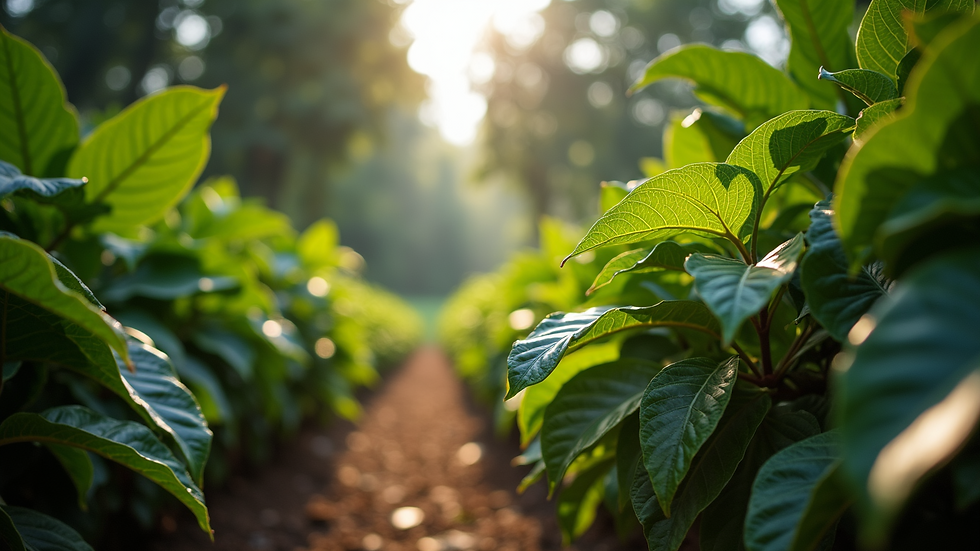
Benefits of Eco-Friendly Farming Practices in Coffee Cultivation
Implementing eco-friendly farming practices offers numerous benefits beyond environmental protection. These advantages include:
Improved soil health: Natural soil amendments and reduced chemical use enhance soil structure and nutrient content.
Biodiversity conservation: Shade trees and diverse plantings support birds, insects, and other wildlife.
Water savings: Efficient irrigation methods reduce water consumption and prevent runoff.
Climate resilience: Healthy ecosystems and diverse plantings help coffee farms withstand extreme weather.
Better coffee quality: Stress-free plants grown in balanced ecosystems often produce superior beans.
Economic benefits: Sustainable farms can access premium markets and certifications, increasing profitability.
Farmers who adopt eco-friendly practices often report greater satisfaction and community support, as these methods align with environmental stewardship and social responsibility.
Which method is an example of sustainable agriculture?
One prominent example of sustainable agriculture in coffee farming is agroforestry. Agroforestry integrates coffee plants with trees and other crops, creating a multi-layered system that mimics natural forests. This method offers several advantages:
Shade provision: Trees protect coffee plants from direct sunlight, reducing heat stress.
Soil enrichment: Leaf litter and root systems improve soil organic matter and nutrient cycling.
Pest control: Diverse habitats encourage natural predators of coffee pests.
Carbon sequestration: Trees absorb carbon dioxide, helping mitigate climate change.
Agroforestry is a practical and effective sustainable agriculture method that balances productivity with environmental care. It is widely practiced in coffee-growing regions and supported by many certification programs.

Practical Steps to Implement Eco-Friendly Coffee Farming
Farmers interested in adopting eco-friendly practices can start with several actionable steps:
Assess current practices: Identify areas where chemical use, water consumption, or soil degradation can be reduced.
Introduce shade trees: Plant native tree species that provide shade and habitat.
Switch to organic inputs: Use compost, manure, and natural pest repellents instead of synthetic chemicals.
Improve water management: Install drip irrigation or collect rainwater to optimize water use.
Practice crop diversification: Grow other plants alongside coffee to enhance biodiversity and income.
Engage in training and certification: Participate in workshops and pursue certifications like organic or Rainforest Alliance to access sustainable markets.
By taking these steps, coffee farmers can gradually transition to more sustainable systems that benefit both the environment and their livelihoods.
The Role of Consumers and Businesses in Supporting Eco-Friendly Coffee
Consumers and businesses play a crucial role in promoting eco-friendly coffee farming. By choosing coffee produced with sustainable agriculture methods, they create demand for environmentally responsible products. Here are ways to support this movement:
Buy certified coffee: Look for labels such as organic, Fair Trade, or Rainforest Alliance.
Support direct trade: Purchase from roasters and brands that work closely with farmers practicing eco-friendly methods.
Educate yourself and others: Learn about the environmental impacts of coffee and share knowledge.
Advocate for sustainable policies: Encourage governments and organizations to support sustainable agriculture initiatives.
Businesses can also invest in farmer training, provide fair prices, and promote transparency in their supply chains. Together, these efforts help build a more sustainable coffee industry.
Embracing Sustainable Agriculture Methods for a Greener Future
Transitioning to eco-friendly coffee farming is essential for preserving the planet and ensuring the future of coffee production. By adopting sustainable agriculture methods, farmers can protect natural resources, improve crop resilience, and produce high-quality coffee that consumers love. This approach benefits everyone involved - from the soil and wildlife to the farmers and coffee drinkers.
As awareness and demand for sustainable coffee grow, more producers will be encouraged to implement these practices. Whether you are a farmer, buyer, or enthusiast, supporting eco-friendly farming is a meaningful way to contribute to a healthier environment and a thriving coffee culture.


Comments