

Efficient Ways to Practice Sustainable Coffee Farming Practices
- nouroukili
- May 4
- 4 min read
Coffee is more than just a morning ritual; it’s a global passion that connects millions of people. As someone who cares deeply about the quality and ethical sourcing of coffee, I’ve learned that sustainable coffee farming practices are essential for preserving the environment, supporting farmers, and ensuring that every cup tastes as good as it should. Sustainable coffee farming is about balancing productivity with responsibility, and it’s a journey that benefits everyone involved—from the soil to the final sip.
In this post, I’ll share practical, efficient ways to practice sustainable coffee farming. These methods not only protect the environment but also improve the quality of coffee beans and the livelihoods of those who grow them. Whether you’re a coffee grower or simply curious about how your favorite brew is made, these insights will deepen your appreciation for sustainable coffee.
Understanding Sustainable Coffee Farming Practices
Sustainable coffee farming practices focus on growing coffee in ways that protect natural resources, promote biodiversity, and support local communities. This means using techniques that reduce environmental impact while maintaining or improving coffee quality. It’s about working with nature, not against it.
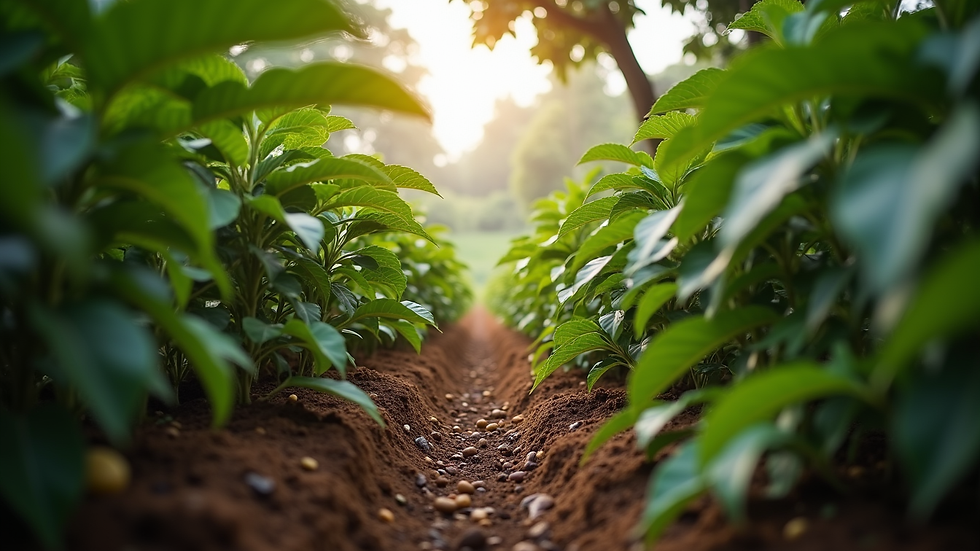
One key aspect is soil health. Healthy soil produces better coffee beans and reduces the need for chemical fertilizers. Farmers often use organic compost, cover crops, and mulching to enrich the soil naturally. Shade-grown coffee is another important practice. By growing coffee under a canopy of trees, farmers protect the soil from erosion, conserve water, and provide habitats for wildlife.
Water conservation is also critical. Efficient irrigation systems and rainwater harvesting help reduce water waste. Additionally, integrated pest management (IPM) minimizes the use of harmful pesticides by encouraging natural predators and using targeted treatments only when necessary.
By adopting these sustainable coffee farming practices, farmers can create a balanced ecosystem that supports long-term productivity and environmental health.

Practical Steps to Implement Sustainable Coffee Farming Practices
Implementing sustainable coffee farming practices might seem challenging at first, but breaking it down into manageable steps makes it achievable. Here are some practical ways to start:
Soil Management
Use organic fertilizers like compost or manure instead of synthetic chemicals.
Plant cover crops such as legumes to fix nitrogen and prevent soil erosion.
Apply mulch to retain moisture and suppress weeds.
Shade Management
Maintain or plant shade trees to protect coffee plants from direct sunlight.
Choose native tree species that support local biodiversity.
Monitor shade levels to ensure coffee plants receive adequate light.
Water Conservation
Install drip irrigation systems to deliver water directly to the roots.
Collect rainwater in tanks for irrigation during dry periods.
Avoid overwatering to prevent root diseases.
Pest and Disease Control
Use integrated pest management by encouraging beneficial insects like ladybugs.
Rotate crops or interplant with pest-repellent species.
Apply organic pesticides only when necessary.
Waste Reduction
Recycle coffee pulp and husks as compost or animal feed.
Reduce plastic use in packaging and farm operations.
By following these steps, coffee farmers can improve their yields sustainably while protecting the environment. These practices also often reduce costs over time, making them economically viable.
Which Method is an Example of Sustainable Agriculture?
One clear example of sustainable agriculture in coffee farming is shade-grown coffee. This method involves growing coffee plants under a canopy of trees, which mimics the natural forest environment. Shade-grown coffee offers several benefits:
Biodiversity: The trees provide habitats for birds, insects, and other wildlife, promoting a balanced ecosystem.
Soil Protection: Tree roots help prevent soil erosion and improve soil structure.
Climate Regulation: Shade trees moderate temperature extremes and conserve moisture, which is especially important as climate change affects growing conditions.
Coffee Quality: Coffee grown in shade tends to develop more complex flavors due to slower bean maturation.
Shade-grown coffee is a perfect example of how sustainable agriculture methods can create a win-win situation for farmers, consumers, and the planet.

The Role of Technology in Sustainable Coffee Farming
Technology can play a supportive role in making coffee farming more sustainable. While traditional methods are invaluable, modern tools help farmers optimize resources and monitor their crops more effectively.
For example, soil sensors can measure moisture and nutrient levels, allowing farmers to apply water and fertilizers only when needed. This precision reduces waste and environmental impact. Drones are increasingly used to survey large coffee farms, identifying areas affected by pests or diseases early on.
Mobile apps provide farmers with weather forecasts, pest alerts, and best practice guides. These tools empower farmers to make informed decisions that align with sustainable agriculture methods.
However, technology should complement—not replace—traditional knowledge. Combining both approaches leads to the best outcomes for sustainable coffee farming.
Building a Sustainable Coffee Community
Sustainable coffee farming is not just about the farm itself; it’s about the entire community involved in coffee production and consumption. Supporting fair trade and direct trade relationships ensures that farmers receive fair prices for their work. This financial stability encourages them to invest in sustainable practices.
Education and training are also vital. Farmers benefit from workshops and resources that teach sustainable techniques and business skills. Consumers can contribute by choosing coffee brands that prioritize ethical sourcing and environmental responsibility.
By fostering a community that values sustainability, we create a positive cycle where quality coffee and ethical practices go hand in hand. Every cup becomes a small act of support for a better future.
Embracing Sustainable Coffee Farming Practices for a Better Tomorrow
Sustainable coffee farming practices are essential for preserving the environment, supporting farmers, and enjoying high-quality coffee. By focusing on soil health, shade management, water conservation, pest control, and waste reduction, coffee growers can create thriving farms that last for generations.
Incorporating technology and building strong community connections further strengthens these efforts. As coffee lovers, we can appreciate the care and dedication behind every sustainable cup.
If you want to learn more about sustainable agriculture methods, I encourage you to explore resources and support coffee brands committed to these values. Together, we can enjoy coffee that tastes great and makes a positive impact on the world.


Comments