

Exploring the Diversity of Coffee Around the World
- nouroukili
- Oct 20, 2025
- 4 min read
Coffee is more than just a morning ritual; it is a global phenomenon with a rich tapestry of flavors, traditions, and brewing methods. Around the world, coffee culture varies widely, reflecting local tastes, climates, and histories. This article dives into the fascinating diversity of coffee, exploring how different regions create unique coffee experiences that delight the senses and bring people together.
Understanding Coffee Diversity: Origins and Varieties
Coffee diversity begins with its origins. The two most common species of coffee beans are Arabica and Robusta. Arabica beans are known for their smooth, complex flavors and are grown mainly in Latin America, East Africa, and parts of Asia. Robusta beans, on the other hand, have a stronger, more bitter taste and are primarily cultivated in Africa and Southeast Asia.
Each coffee-growing region imparts distinct characteristics to its beans due to differences in soil, altitude, climate, and farming practices. For example:
Ethiopian coffee is often fruity and floral, with bright acidity.
Colombian coffee tends to be balanced with nutty and caramel notes.
Indonesian coffee is known for its earthy, full-bodied flavor.
These regional differences contribute to the vast spectrum of coffee flavors enjoyed worldwide.
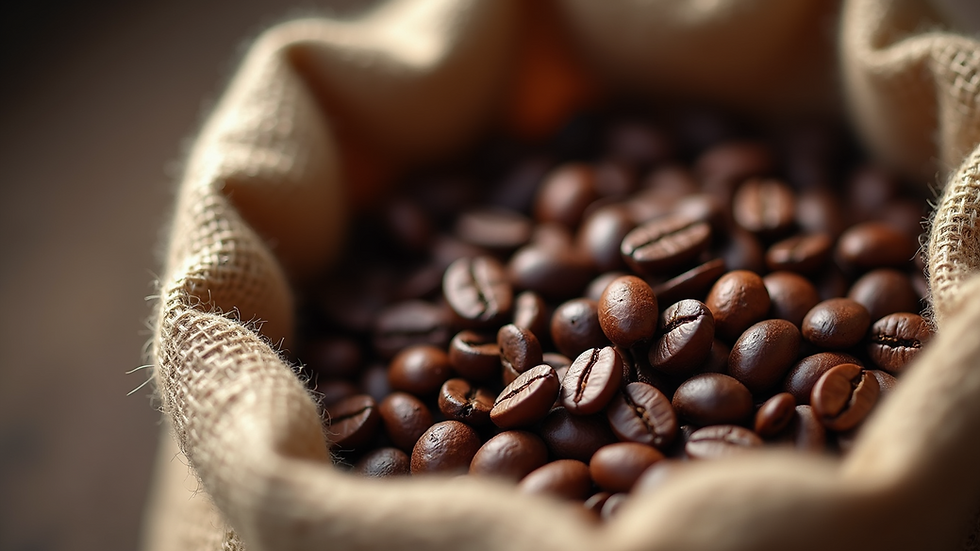
Roasted coffee beans showcasing regional variety
Exploring Coffee Diversity Through Brewing Methods
The way coffee is brewed also plays a crucial role in its flavor and overall experience. Different cultures have developed unique brewing techniques that highlight the qualities of their local beans. Some popular methods include:
Espresso - Originating in Italy, this method forces hot water through finely-ground coffee under pressure, producing a concentrated and rich shot.
Turkish Coffee - Finely ground coffee is simmered with water and sugar in a special pot called a cezve, resulting in a thick, strong brew often served with grounds in the cup.
French Press - Coarse coffee grounds steep in hot water before being separated by pressing a metal filter, yielding a full-bodied and aromatic cup.
Pour Over - Hot water is poured slowly over coffee grounds in a filter, allowing precise control over extraction and clarity of flavor.
Cold Brew - Coffee grounds steep in cold water for 12-24 hours, producing a smooth, less acidic coffee served chilled.
Each brewing style offers a different taste profile and texture, adding to the global coffee diversity.

Barista preparing espresso shot in a coffee shop
What is an example of a good coffee review?
A good coffee review provides clear, specific, and honest feedback about the coffee's flavor, aroma, body, and overall experience. It helps other coffee lovers understand what to expect and guides them in choosing their next brew. Here is an example of a well-rounded coffee review:
"This Ethiopian Yirgacheffe has a bright, citrusy aroma with hints of jasmine. The flavor is vibrant and fruity, with notes of blueberry and a clean, crisp finish. The medium body and balanced acidity make it perfect for a morning pick-me-up. Brewed as a pour-over, it highlights the delicate floral tones beautifully."
When writing or reading coffee reviews, look for descriptions of:
Aroma: What scents are noticeable before tasting?
Flavor: What tastes stand out? Are they fruity, nutty, chocolatey, or spicy?
Body: Is the coffee light, medium, or full-bodied?
Acidity: Is the coffee bright and tangy or smooth and mellow?
Finish: How long do the flavors linger after swallowing?
Good reviews help deepen appreciation for coffee and encourage exploration of new varieties.
Coffee Traditions That Celebrate Diversity
Coffee culture is deeply embedded in many societies, often accompanied by unique rituals and social customs. Here are some notable examples:
Italian Espresso Culture: Italians enjoy quick espresso shots at local cafes, often standing at the bar. Coffee is a social glue and a daily habit.
Ethiopian Coffee Ceremony: This elaborate ritual involves roasting green coffee beans, grinding them by hand, and brewing in a clay pot called a jebena. It is a communal event symbolizing hospitality.
Japanese Coffee Craftsmanship: Japan is known for its meticulous pour-over techniques and precision in brewing, emphasizing clarity and balance.
Vietnamese Iced Coffee: Strong coffee is brewed drip-style over sweetened condensed milk and served over ice, creating a rich and refreshing drink.
Middle Eastern Coffee Hospitality: Arabic coffee, often spiced with cardamom, is served in small cups during social gatherings as a sign of generosity.
These traditions highlight how coffee is more than a beverage - it is a cultural expression that varies widely across the globe.

Traditional Ethiopian coffee ceremony setup
How to Experience Coffee Diversity at Home
You don’t need to travel the world to enjoy the diversity of coffee. Here are practical tips to bring global coffee flavors and traditions into your kitchen:
Try Different Beans: Purchase single-origin beans from various countries to explore their unique flavor profiles.
Experiment with Brewing Methods: Invest in a French press, pour-over dripper, or moka pot to try different brewing styles.
Adjust Grind Size and Water Temperature: These factors greatly affect extraction and taste. Use a burr grinder for consistency.
Learn About Coffee Pairings: Some coffees pair well with certain foods, such as chocolate, nuts, or fruit, enhancing the tasting experience.
Join Coffee Tasting Events: Many cafes and roasters offer cupping sessions where you can sample and compare different coffees.
For those seeking a truly unique coffee experience, exploring specialty coffee shops or subscription services can open doors to rare and exotic beans.
Embracing the World of Coffee Diversity
Coffee diversity is a celebration of nature, culture, and craftsmanship. From the bean to the cup, every step influences the final flavor and experience. By understanding the origins, brewing methods, and traditions, coffee lovers can deepen their appreciation and enjoy a richer, more varied coffee journey.
Whether you prefer a bold espresso, a delicate pour-over, or a sweet iced coffee, the world of coffee offers endless possibilities to explore and savor. Embrace this diversity and let your palate travel across continents with every sip.


Comments