

Sustainable Coffee Farming Practices That Support the Planet
- nouroukili
- Mar 16
- 4 min read
Coffee is more than just a morning ritual or a comforting beverage. It’s a crop that connects millions of people worldwide, from farmers to consumers. But as coffee lovers, we have a responsibility to ensure that the way coffee is grown and harvested supports the planet. Sustainable coffee farming is a path toward protecting the environment, improving farmers’ livelihoods, and preserving the quality of the coffee we cherish.
In this post, I want to share practical insights into sustainable coffee farming practices. These methods not only reduce environmental impact but also promote ethical sourcing and long-term viability. Let’s explore how we can enjoy our coffee while supporting the planet.
Understanding Sustainable Coffee Farming
Sustainable coffee farming means growing coffee in ways that protect the environment, support local communities, and maintain economic viability. It involves practices that reduce harm to ecosystems, conserve water and soil, and promote biodiversity. Sustainable coffee farms often use shade trees, organic fertilizers, and natural pest control instead of harmful chemicals.
One key aspect is preserving the natural habitat around coffee farms. Shade-grown coffee, for example, grows under a canopy of trees, which helps maintain biodiversity and provides homes for birds and insects. This method also reduces the need for chemical inputs and helps regulate temperature and moisture, improving coffee quality.
Another important factor is water conservation. Coffee farming can be water-intensive, but sustainable farms use techniques like drip irrigation and rainwater harvesting to minimize water waste. These efforts help protect local water sources and reduce pollution.

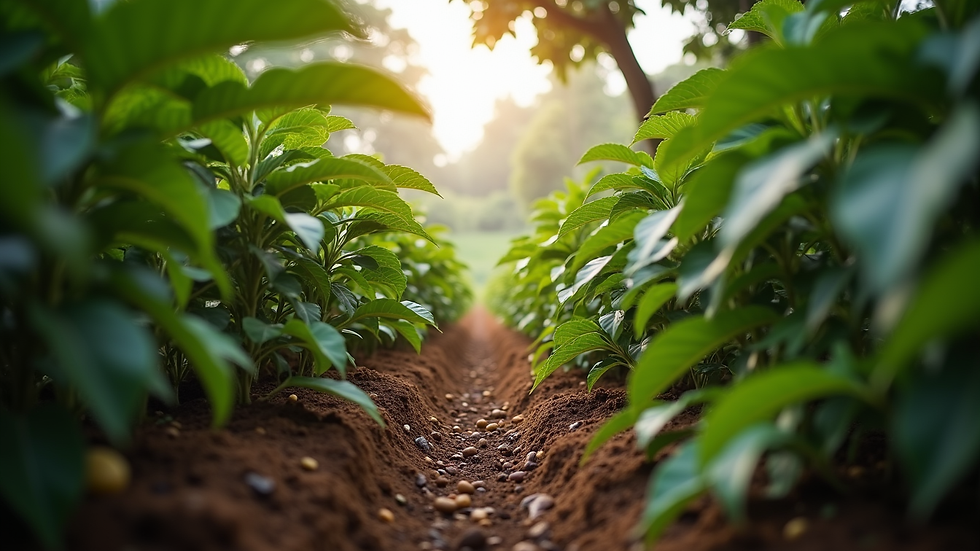
Shade-grown coffee plants thriving under a canopy of trees.
Key Sustainable Coffee Farming Practices
To support the planet, coffee farmers adopt several sustainable practices. Here are some of the most effective ones:
Agroforestry: Integrating trees with coffee plants creates a balanced ecosystem. Trees provide shade, improve soil health, and capture carbon dioxide. This method also supports wildlife and reduces soil erosion.
Organic Farming: Avoiding synthetic pesticides and fertilizers protects soil and water quality. Organic coffee farming relies on natural compost, crop rotation, and biological pest control.
Water Management: Efficient irrigation systems and water recycling reduce water consumption. Farmers also protect nearby rivers and streams from contamination.
Soil Conservation: Techniques like contour planting, mulching, and cover cropping prevent soil erosion and maintain fertility.
Fair Trade and Ethical Sourcing: Supporting fair wages and safe working conditions ensures that farmers can invest in sustainable practices and improve their communities.
By combining these approaches, coffee farms can thrive without depleting natural resources or harming the environment.
Which Method is an Example of Sustainable Agriculture?
One clear example of sustainable agriculture in coffee farming is shade-grown coffee. This method involves growing coffee plants beneath a canopy of native trees. Shade-grown coffee farms mimic natural forest ecosystems, which benefits both the environment and the coffee itself.
Shade trees provide multiple advantages:
They protect coffee plants from direct sunlight, reducing heat stress.
They improve soil moisture retention and reduce evaporation.
They support biodiversity by providing habitats for birds, insects, and other wildlife.
They help sequester carbon, mitigating climate change.
Farmers who use shade-grown methods often see healthier plants and better coffee quality. This practice aligns perfectly with sustainable agriculture principles by balancing productivity with environmental care.

Ripe coffee cherries growing on a shade-grown coffee plant.
How Sustainable Agriculture Methods Benefit Coffee Quality and Communities
Sustainable coffee farming is not just about protecting the environment; it also enhances the quality of the coffee and supports the people who grow it. When farmers use sustainable agriculture methods, they often produce beans with richer flavors and better consistency.
Here’s why:
Healthier soil and plants lead to stronger coffee cherries.
Reduced chemical use means cleaner, more natural flavors.
Shade-grown coffee matures more slowly, developing complex taste profiles.
Beyond quality, sustainable practices improve farmers’ lives. By reducing dependency on expensive chemicals and conserving resources, farmers lower their costs. Fair trade and ethical sourcing ensure they receive fair compensation, which helps fund education, healthcare, and community projects.
Supporting sustainable coffee means supporting a cycle of positive impact—from the farm to your cup.
How You Can Support Sustainable Coffee Farming
As a coffee lover, your choices matter. Here are some ways you can support sustainable coffee farming:
Choose Certified Coffee: Look for certifications like organic, Rainforest Alliance, or Fair Trade. These labels indicate that the coffee meets certain environmental and social standards.
Buy Directly from Ethical Sources: Many small roasters and cooperatives work directly with farmers committed to sustainability. This often means fresher coffee and better support for growers.
Learn About Coffee Origins: Understanding where your coffee comes from helps you appreciate the efforts behind sustainable farming.
Reduce Waste: Use reusable coffee filters, compost coffee grounds, and avoid single-use pods.
Spread Awareness: Share what you learn about sustainable coffee with friends and family. The more people care, the bigger the impact.
By making mindful choices, you contribute to a healthier planet and a better coffee experience.
Looking Ahead: The Future of Sustainable Coffee Farming
The future of coffee depends on how well we protect the environment and support farmers today. Climate change, deforestation, and economic pressures threaten coffee production worldwide. But sustainable coffee farming offers hope.
Innovations like precision agriculture, improved seed varieties, and community education are helping farmers adapt. Organizations and consumers are increasingly valuing transparency and responsibility in coffee sourcing.
Together, we can build a coffee culture that respects the planet and the people who make every cup possible. Every sip becomes a small act of care for the earth.
Sustainable coffee farming is a journey worth taking. By embracing responsible practices and supporting ethical sourcing, we ensure that coffee remains a source of joy and connection for generations to come. Let’s raise our cups to a future where every coffee moment supports the planet.
For more information on sustainable agriculture methods, you can explore this resource.


Comments